Manufacturers
Importing inputs and machinery for production.

Customs compliance & regulatory affairs
We turn customs and regulatory obligations into structured, auditable and secure processes. Since 2009, we have helped importers and exporters prevent risks, penalties and delays in Brazil.

Who we work with
Importing inputs and machinery for production.
Importers subject to Anvisa, MAPA, Inmetro and Anatel.
Exporters and foreign companies operating in Brazil.
Foreign trade, tax and purchasing departments.
Services
Four fronts to structure your operation’s compliance, from assessment to team training.

Preventive review of current and past import/export records, identifying gaps before official audits.
Learn more: Customs Compliance Assessment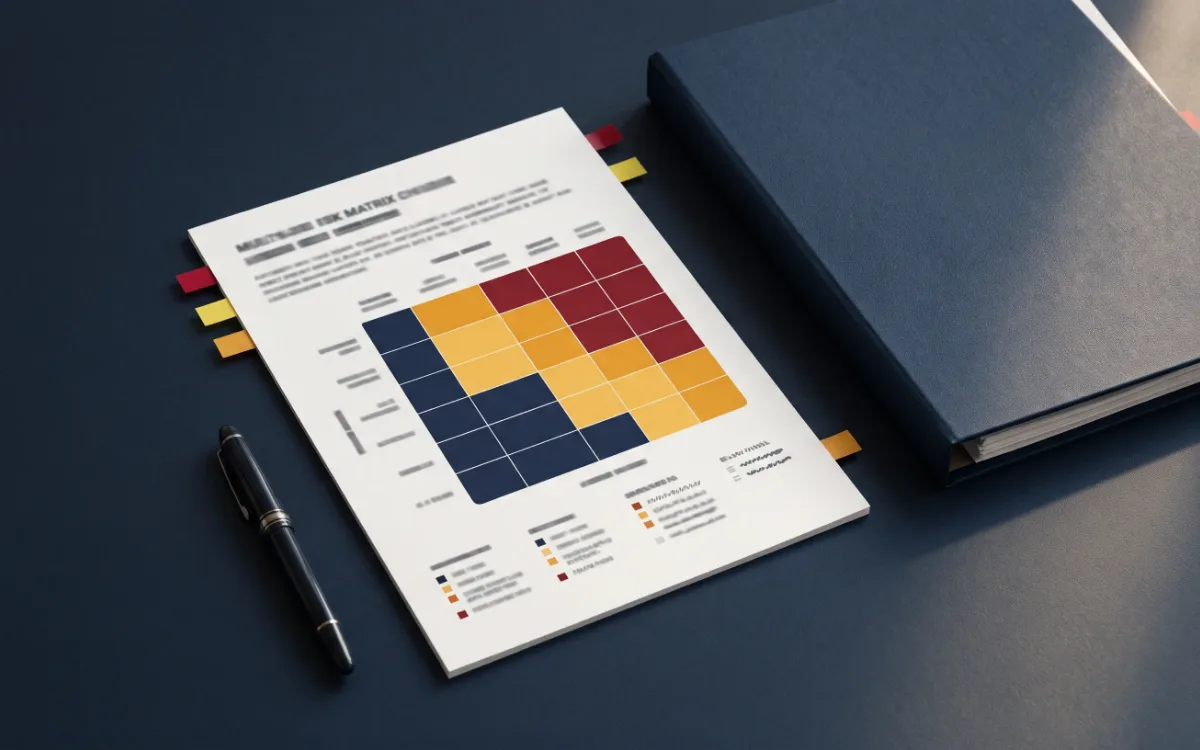
Analysis of internal flows, tariff classification (NCM), liabilities and documentary governance.
Learn more: Risk Mapping & Trade Compliance
Guidance on product requirements before Brazilian agencies (Anvisa, MAPA, Inmetro and others) and Customs.
Learn more: Regulatory Support
Tailored programs for foreign trade, purchasing, tax and finance teams, focused on reducing errors.
Learn more: Corporate TrainingFrom documents to cargo
We review documents, licenses and tariff classification before the goods arrive, so that customs inspection finds an organized operation.
Licenses and approvals
Many products require a license or approval from agencies other than the Federal Revenue Service. Identifying this requirement early helps avoid cargo holds and storage costs.
Medicines, cosmetics, sanitizing products, food and medical devices.
Products of animal and plant origin, agricultural inputs and wood packaging.
Products subject to mandatory certification, such as toys, auto parts and some electronics.
Environmentally controlled products, such as wildlife and plant species and ozone-depleting substances.
Controlled products, such as certain chemicals, explosives and restricted-use equipment.
Fuels, lubricants and other petroleum derivatives.
Illustrative list. Requirements depend on each product’s NCM code and administrative treatment.
Our method
A structured, auditable process, from understanding your operation to ongoing monitoring.
Business model and history
Classifications, licenses and flows
Tax risks and bottlenecks
Practical corrective plan
Ongoing compliance
Self-assessment
Five yes-or-no questions. Your answers stay in your browser: nothing is sent.
Client Portal
Track stages, pending items and documents in a dedicated area linked to your company, with authorized access and update history.
FAQ
Customs compliance is the set of controls that keeps import and export operations aligned with the rules of Brazilian Customs and regulatory agencies: tariff classification (NCM), licenses, documents and declared values. A preventive structure reduces exposure to penalties, cargo holds and delays, and makes the operation auditable.
It depends on the volume of operations, the number of NCM codes and the period under review. The timeline is set during the operational assessment and shared before the work starts.
Yes. SASSMAR is based in São Paulo and serves companies across Brazil, as well as foreign companies operating in the country.
Request an assessment. Our specialists review your operation and point out the issues before an official audit does.